

WHAT IS MOD?
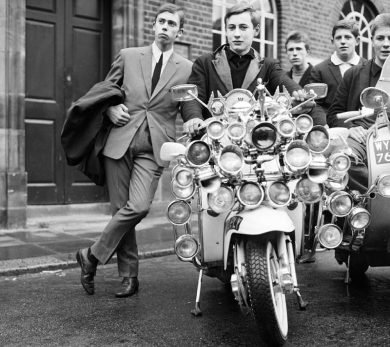
Mod is one of the social subcultures that originated in London, England in the late 1950's
The word Mod is derived from the term modernist or modern and was originally used to describe modern jazz musicians and fans. Popularised by a beatnik coffee bar culture which catered to art school students in the radical bohemian scene.
OUR HISTORY
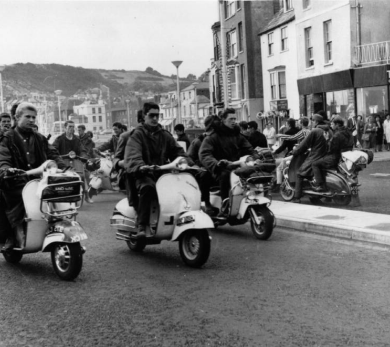
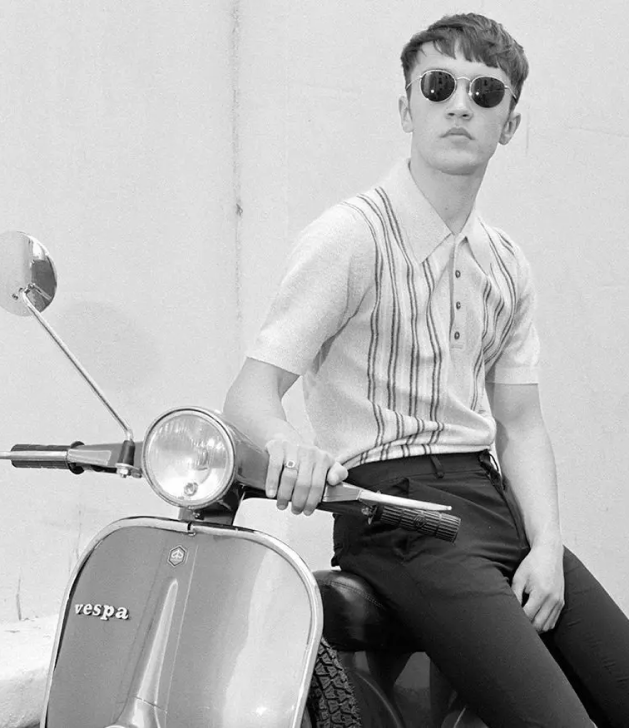
The subculture grew under difficult economic conditions, but the Mods still needed to maintain their perfection of personal style and fashion. The youths of the early 1960’s were one of the first generations that did not have to contribute their money from after-school jobs to family finances. As Mod teens and young adults began using their disposable income to buy stylish clothes, people began labeling them as "fashion-obsessed", "hedonistic cult of the hyper-cool", or "swinging London".
The Mod culture
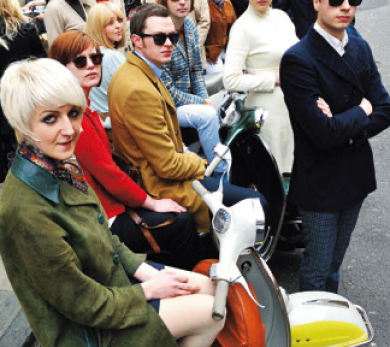
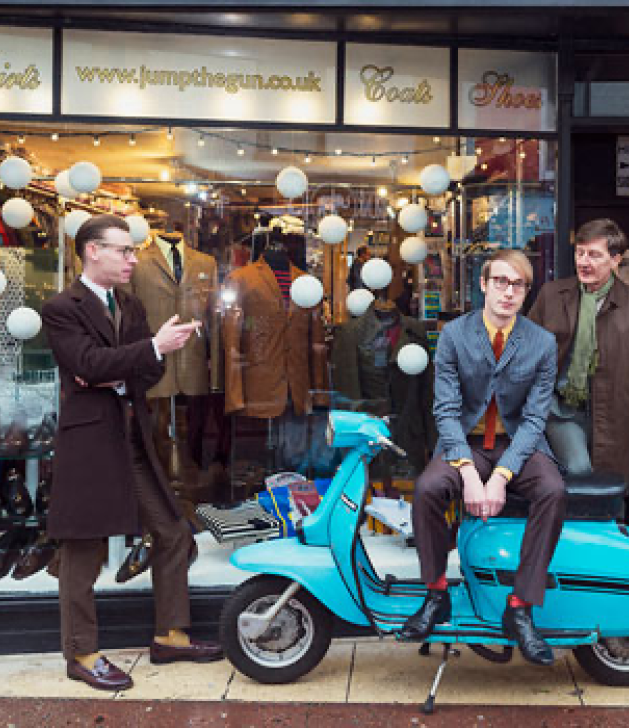
The Mod culture itself has undergone a metamorphosis, from the "Modernists" (late 50s) to becoming "Mods" (60s) to "Mod Revivalists" (70s) and the latest "New Mods" (late 80s to the 90s). However, no matter how it is referenced, the culture is best exemplified by fashion and pop music, including African American soul, Jamaican ska, British beat music, R&B, and the love of Italian Motor Scooters.

Where we stand
Our architectural approach prioritizes intuitive navigation and a deep understanding of user behaviors, ensuring that our designs not only captivate but also serve a meaningful purpose. Functionality stands as a foundational pillar, with each element contributing strategically to the overall user experience. We embrace adaptability and future-proofing, incorporating scalable solutions that anticipate technological shifts, guaranteeing that our designs remain relevant and effective over time.